The VICC.ORG Directory of Doctors, Healthcare Providers & Researchers
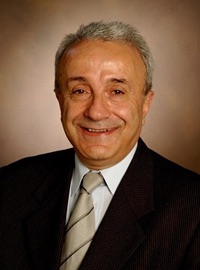
Derya Unutmaz, M.D.
Assistant Professor
Researcher
Contact Information:
Vanderbilt University Medical Center
AA-5216 Medical Center North
Nashville, TN 37232-2363
615-322-1435
Research Specialty
The molecular machinery of T cell activation, differentiation, survival and its exploitation by HIV
Research Description
The first long-term focus is to understand how T cells compute and integrate the signals from the environment to initiate different effector functions or differentiation programs. The complex signaling machinery of T cells allows the immune system to have a flexible and vigorous response against different pathogen challenges.
The second and major focus of our lab is to understand how HIV exploits T cell activation and differentiation for its own survival. HIV has infected over 60 million and killed more than 20 million individuals worldwide. The infection continues to spread exponentially and kills 3 million people every year. Massive efforts over the past 20 years have failed to produce an effective and urgently needed vaccine.
Infection of T cells by HIV requires their activation. Therefore it is not surprising that the hallmarks of HIV infection are chronic immune activation and destruction of its targets, the CD4+ T cells. However, we still do not understand how HIV exploits chronic immune activation and how it causes severe developmental and homeostatic dysfunction of the immune system.
In the last several years we have made several very exciting discoveries that we believe have began to shed light into the highly complex immune pathogenesis of HIV infection. We initially demonstrated that HIV uses a Trojan horse like mechanism to be captured by the sentinels of the immune system, the dendritic cells, thus avoiding destruction, and possibly uses this mechanism to gain a foothold in the body during its transmission. We are now working to understand the mechanism by which HIV hijacks dendritic cells.
To understand how HIV causes severe immune homeostatic imbalance and dysfunction, we began to analyze T cell subsets in infected individuals. These studies led to the discovery that HIV preferentially infects Natural Killer T (NKT) cells and causes a profound depletion of these cells in infected individuals. Although the main function of NKT cells is not yet known, it is thought that they play a crucial immune amplification function during variety of infectious diseases. We have began in vivo experiments in monkeys in collaboration with our colleagues at Harvard to better understand the impact of NKT cell depletion during HIV infection and also continuing our efforts to understand how NKT cell depletion in HIV+ individuals affects disease progression.
Recently a subset of CD4+ T cells was identified as regulatory T cells (Tregs). The function of these cells is to suppress excessive T cell activation during unwanted immune responses such autoimmunity. We hypothesized that HIV targets and gradually depletes Tregs, thus removing the brakes of T cell activation, causing persistent immune activation. We have now discovered that Tregs are highly susceptible to HIV infection and are depleted during the late stages of the disease. Remarkably, we also found a highly significant correlation between the loss of Treg cells and the increase in activated CD4+ T cells in HIV infected individuals, as precisely predicted by our hypothesis.
How Tregs suppress activation of other T cells is not known. A major impediment in working with Tregs is that they are only about 2% of human T cells and are difficult to grow in vitro. In order to decode the function of Tregs and their role during HIV infection we have developed a method to genetically reprogram conventional T cells into Tregs by ectopically expressing a master transcription factor called FoxP3. The FoxP3-engineered T cells behave just like naturally occurring Treg cells and can be generated in unlimited numbers. This method has now paved the way for identifying mechanisms that mediate Treg cell suppressive function.
In summary, we would like to decode the complex sensory system of T cells that execute adaptable biological programs and to understand how HIV hacks into the "operating system" of these cells and exploits their "biocode" for its own survival.
Publications
- VanCompernolle, SE, Taylor, RJ, Oswald-Richter, K, Jiang, J, Youree, BE, Bowie, JH, Tyler, MJ, Conlon, JM, Wade, D, Aiken, C, Dermody, TS, KewalRamani, VN, Rollins-Smith, LA, Unutmaz, D Antimicrobial peptides from amphibian skin potently inhibit human immunodeficiency virus infection and transfer of virus from dendritic cells to T cells. J Virol, 79(18), 11598-606, 2005.
- Bezbradica, JS, Stanic, AK, Matsuki, N, Bour-Jordan, H, Bluestone, JA, Thomas, JW, Unutmaz, D, Van Kaer, L, Joyce, S Distinct roles of dendritic cells and B cells in Va14Ja18 natural T cell activation in vivo. J Immunol, 174(8), 4696-705, 2005.
- Carlesso, G, Kozlov, E, Prokop, A, Unutmaz, D, Davidson, JM Nanoparticulate system for efficient gene transfer into refractory cell targets. Biomacromolecules, 6(3), 1185-92, 2005.
- Eger, KA, Unutmaz, D The innate immune system and HIV pathogenesis. Curr HIV/AIDS Rep, 2(1), 10-5, 2005.
- Sundrud, MS, Vancompernolle, SE, Eger, KA, Bruno, TC, Subramaniam, A, Mummidi, S, Ahuja, SK, Unutmaz, D Transcription factor GATA-1 potently represses the expression of the HIV-1 coreceptor CCR5 in human T cells and dendritic cells. Blood, 106(10), 3440-8, 2005.
- Oswald-Richter, Kyra, Grill, Stacy M, Shariat, Nikki, Leelawong, Mindy, Sundrud, Mark S, Haas, David W, Unutmaz, Derya HIV Infection of Naturally Occurring and Genetically Reprogrammed Human Regulatory T-cells. PLoS Biol, 2(7), E198, 2004.
- Oswald-Richter, Kyra, Grill, Stacy M, Leelawong, Mindy, Unutmaz, Derya HIV infection of primary human T cells is determined by tunable thresholds of T cell activation. Eur J Immunol, 34(6), 1705-14, 2004.
- Sundrud, Mark S, Torres, Victor J, Unutmaz, Derya, Cover, Timothy L Inhibition of primary human T cell proliferation by Helicobacter pylori vacuolating toxin (VacA) is independent of VacA effects on IL-2 secretion. Proc Natl Acad Sci U S A, 101(20), 7727-32, 2004.
- Dang, Que, Chen, Jianbo, Unutmaz, Derya, Coffin, John M, Pathak, Vinay K, Powell, Douglas, KewalRamani, Vineet N, Maldarelli, Frank, Hu, Wei-Shau Nonrandom HIV-1 infection and double infection via direct and cell-mediated pathways. Proc Natl Acad Sci U S A, 101(2), 632-7, 2004.
- Eger, Karla A, Unutmaz, Derya Perturbation of natural killer cell function and receptors during HIV infection. Trends Microbiol, 12(7), 301-3, 2004.
- Jo, Daewoong, Lin, Qing, Nashabi, Abudi, Mays, Deborah J, Unutmaz, Derya, Pietenpol, Jennifer A, Ruley, H Earl Cell cycle-dependent transduction of cell-permeant Cre recombinase proteins. J Cell Biochem, 89(4), 674-87, 2003.
- Donahue, John P, Dowdy, David, Ratnam, Krishna K, Hulgan, Todd, Price, James, Unutmaz, Derya, Nicotera, Janet, Raffanti, Steven, Becker, Mark, Haas, David W Effects of nelfinavir and its M8 metabolite on lymphocyte P-glycoprotein activity during antiretroviral therapy. Clin Pharmacol Ther, 73(1), 78-86, 2003.
- Sundrud, Mark S, Grill, Stacy M, Ni, Donghui, Nagata, Kinya, Alkan, Sefik S, Subramaniam, Arun, Unutmaz, Derya Genetic reprogramming of primary human T cells reveals functional plasticity in Th cell differentiation. J Immunol, 171(7), 3542-9, 2003.
- Motsinger, Alison, Azimzadeh, Agnes, Stanic, Aleksandar K, Johnson, R Paul, Van Kaer, Luc, Joyce, Sebastian, Unutmaz, Derya Identification and simian immunodeficiency virus infection of CD1d-restricted macaque natural killer T cells. J Virol, 77(14), 8153-8, 2003.
- Hulgan, Todd, Donahue, John P, Hawkins, Charlene, Unutmaz, Derya, D''Aquila, Richard T, Raffanti, Stephen, Nicotera, Fred, Rebeiro, Peter, Erdem, Husamettin, Rueff, Melissa, Haas, David W Implications of T-cell P-glycoprotein activity during HIV-1 infection and its therapy. J Acquir Immune Defic Syndr, 34(2), 119-26, 2003.
- Unutmaz, Derya NKT cells and HIV infection. Microbes Infect, 5(11), 1041-7, 2003.
- McDonald, David, Wu, Li, Bohks, Stacy M, KewalRamani, Vineet N, Unutmaz, Derya, Hope, Thomas J Recruitment of HIV and its receptors to dendritic cell-T cell junctions. Science, 300(5623), 1295-7, 2003.
- Motsinger, Alison, Haas, David W, Stanic, Aleksandar K, Van Kaer, Luc, Joyce, Sebastian, Unutmaz, Derya CD1d-restricted human natural killer T cells are highly susceptible to human immunodeficiency virus 1 infection. J Exp Med, 195(7), 869-79, 2002.
- Wu, Li, Martin, Thomas D, Vazeux, Rosemay, Unutmaz, Derya, KewalRamani, Vineet N Functional evaluation of DC-SIGN monoclonal antibodies reveals DC-SIGN interactions with ICAM-3 do not promote human immunodeficiency virus type 1 transmission. J Virol, 76(12), 5905-14, 2002.
- Jung, Steffen, Unutmaz, Derya, Wong, Phillip, Sano, Gen-Ichiro, De los Santos, Kenia, Sparwasser, Tim, Wu, Shengji, Vuthoori, Sri, Ko, Kyung, Zavala, Fidel, Pamer, Eric G, Littman, Dan R, Lang, Richard A In vivo depletion of CD11c(+) dendritic cells abrogates priming of CD8(+) T cells by exogenous cell-associated antigens. Immunity, 17(2), 211-20, 2002.
- Lundquist, Christopher A, Tobiume, Minoru, Zhou, Jing, Unutmaz, Derya, Aiken, Christopher Nef-mediated downregulation of CD4 enhances human immunodeficiency virus type 1 replication in primary T lymphocytes. J Virol, 76(9), 4625-33, 2002.
- Wu, Li, Bashirova, Arman A, Martin, Thomas D, Villamide, Loreley, Mehlhop, Erin, Chertov, Andrei O, Unutmaz, Derya, Pope, Melissa, Carrington, Mary, KewalRamani, Vineet N Rhesus macaque dendritic cells efficiently transmit primate lentiviruses independently of DC-SIGN. Proc Natl Acad Sci U S A, 99(3), 1568-73, 2002.
- Jo, D, Nashabi, A, Doxsee, C, Lin, Q, Unutmaz, D, Chen, J, Ruley, H E Epigenetic regulation of gene structure and function with a cell-permeable Cre recombinase. Nat Biotechnol, 19(10), 929-33, 2001.
- Unutmaz, D T cell signaling mechanisms that regulate HIV-1 infection. Immunol Res, 23(2-3), 167-77, 2001.
- Campbell, J J, Qin, S, Unutmaz, D, Soler, D, Murphy, K E, Hodge, M R, Wu, L, Butcher, E C Unique subpopulations of CD56+ NK and NK-T peripheral blood lymphocytes identified by chemokine receptor expression repertoire. J Immunol, 166(11), 6477-82, 2001.
- Sun, Z, Unutmaz, D, Zou, Y R, Sunshine, M J, Pierani, A, Brenner-Morton, S, Mebius, R E, Littman, D R Requirement for RORgamma in thymocyte survival and lymphoid organ development. Science, 288(5475), 2369-73, 2000.
- Unutmaz, D, Xiang, W, Sunshine, M J, Campbell, J, Butcher, E, Littman, D R The primate lentiviral receptor Bonzo/STRL33 is coordinately regulated with CCR5 and its expression pattern is conserved between human and mouse. J Immunol, 165(6), 3284-92, 2000.
- Unutmaz, D, KewalRamani, V N, Marmon, S, Littman, D R Cytokine signals are sufficient for HIV-1 infection of resting human T lymphocytes. J Exp Med, 189(11), 1735-46, 1999.
- Littman, D R, Sun, Z, Unutmaz, D, Sunshine, M J, Petrie, H T, Zou, Y R Role of the nuclear hormone receptor ROR gamma in transcriptional regulation, thymocyte survival, and lymphoid organogenesis. Cold Spring Harb Symp Quant Biol, 64373-81, 1999.
- Unutmaz, D, KewalRamani, V N, Littman, D R G protein-coupled receptors in HIV and SIV entry: new perspectives on lentivirus-host interactions and on the utility of animal models. Semin Immunol, 10(3), 225-36, 1998.
- Hill, C M, Kwon, D, Jones, M, Davis, C B, Marmon, S, Daugherty, B L, DeMartino, J A, Springer, M S, Unutmaz, D, Littman, D R The amino terminus of human CCR5 is required for its function as a receptor for diverse human and simian immunodeficiency virus envelope glycoproteins. Virology, 248(2), 357-71, 1998.
- Hill, C M, Deng, H, Unutmaz, D, Kewalramani, V N, Bastiani, L, Gorny, M K, Zolla-Pazner, S, Littman, D R Envelope glycoproteins from human immunodeficiency virus types 1 and 2 and simian immunodeficiency virus can use human CCR5 as a coreceptor for viral entry and make direct CD4-dependent interactions with this chemokine receptor. J Virol, 71(9), 6296-304, 1997.
- Deng, H K, Unutmaz, D, KewalRamani, V N, Littman, D R Expression cloning of new receptors used by simian and human immunodeficiency viruses. Nature, 388(6639), 296-300, 1997.
- Unutmaz, D, Littman, D R Expression pattern of HIV-1 coreceptors on T cells: implications for viral transmission and lymphocyte homing. Proc Natl Acad Sci U S A, 94(5), 1615-8, 1997.
- Davis, C B, Dikic, I, Unutmaz, D, Hill, C M, Arthos, J, Siani, M A, Thompson, D A, Schlessinger, J, Littman, D R Signal transduction due to HIV-1 envelope interactions with chemokine receptors CXCR4 or CCR5. J Exp Med, 186(10), 1793-8, 1997.
- Deng, H, Liu, R, Ellmeier, W, Choe, S, Unutmaz, D, Burkhart, M, Di Marzio, P, Marmon, S, Sutton, R E, Hill, C M, Davis, C B, Peiper, S C, Schall, T J, Littman, D R, Landau, N R Identification of a major co-receptor for primary isolates of HIV-1. Nature, 381(6584), 661-6, 1996.
- Unutmaz, D, Baldoni, F, Abrignani, S Human naive T cells activated by cytokines differentiate into a split phenotype with functional features intermediate between naive and memory T cells. Int Immunol, 7(9), 1417-24, 1995.
- Rappuoli, R, Unutmaz, D Microbial pathogenesis--an interdisciplinary point of view. Trends Biotechnol, 13(4), 128-9, 1995.
- Unutmaz, D, Pileri, P, Abrignani, S Antigen-independent activation of naive and memory resting T cells by a cytokine combination. J Exp Med, 180(3), 1159-64, 1994.
- Unutmaz, D., and S. Abrignani "Cytokines can activate resting T lymphocytes." Cytokines: Basic principles and practical applications, 1994.
- Minutello, M A, Pileri, P, Unutmaz, D, Censini, S, Kuo, G, Houghton, M, Brunetto, M R, Bonino, F, Abrignani, S Compartmentalization of T lymphocytes to the site of disease: intrahepatic CD4+ T cells specific for the protein NS4 of hepatitis C virus in patients with chronic hepatitis C. J Exp Med, 178(1), 17-25, 1993.
- Abrignani, S., Pileri, P., Unutmaz, D., Kuo, G., Houghton, M., Brunetto, M., Bonino, F., and M. Minutello "T lymphocyte response to hepatitis C virus." Immunology and Liver , 1993.
- Botarelli, P, Brunetto, M R, Minutello, M A, Calvo, P, Unutmaz, D, Weiner, A J, Choo, Q L, Shuster, J R, Kuo, G, Bonino, F T-lymphocyte response to hepatitis C virus in different clinical courses of infection. Gastroenterology, 104(2), 580-7, 1993.
You do not have JavaScript enabled. This site works better with JavaScript turned on.