Text Only Off

The VICC.ORG Directory of Doctors, Healthcare Providers & Researchers

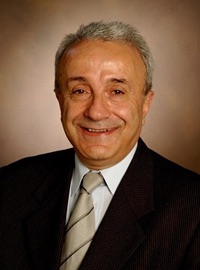
Terence S. Dermody, M.D.

Director, Lamb Center for Pediatric Research
Director, Vanderbilt MSTP
Prof Pediatrics
Prof Microbiology and Immunology
VICC Member
Researcher

Contact Information:

Vanderbilt University Medical Center
D-7235 Medical Center North
Nashville, TN 37232-2581
615-343-9943

Research Specialty

Viral Infections of the Central Nervous System, Entry of Viruses into Host Cells, Development of New Vaccine Vectors

Research Description

Our laboratory uses mammalian reoviruses as models to study mechanisms by which viruses cause disease. Reoviruses infect many mammalian species, including humans, but disease is restricted to the very young. After infection of newborn mice, reoviruses can cause encephalitis, hepatitis, and myocarditis, depending on the viral strain used. We use a multidisciplinary approach to investigate mechanisms of reovirus attachment, cell entry, genome replication, and apoptosis. These studies will provide a comprehensive analysis of the steps in reovirus replication that culminate in disease.

(1) Reovirus cell-attachment. The reovirus attachment protein, sigma 1, plays a key role in target cell selection in the infected host. We are conducting experiments using mutant viruses with defined alterations in receptor-binding functions to determine how independent receptor-binding domains in sigma 1 contribute to cell-attachment and trigger viral entry. We also are investigating the role of reovirus receptors, sialic acid and junctional adhesion molecule A (JAM-A), in reovirus attachment, entry, and pathogenesis. These studies employ polarized cells and mice lacking JAM-A. This work will be interpreted in the context of ongoing structural studies of sigma 1 in complex with its receptors with the goal of determining how sigma 1 structure relates to its function in receptor binding. New research focuses on the identification of receptors in host tissues that do not require JAM-A for productive infection.

(2) Reovirus entry into cells. Reovirus enters cells by clathrin-dependent endocytosis and undergoes proteolytic disassembly in endosomes. We have found that beta 1 integrins are required for reovirus internalization following virus attachment to host cells. Studies are in progress to define mechanisms by which beta 1 integrins mediate viral uptake and transport within the endocytic pathway. Viral disassembly in most cell types is catalyzed by cathepsins B, L, or S. We are using molecular genetics, biochemical analyses, and electron cryomicroscopy to study domains in reovirus outer-capsid proteins that regulate proteolytic cleavage. A final series of experiments seeks to define mechanisms underlying the roles of individual cathepsins in reovirus disease. This research will reveal fundamental mechanisms by which viral and cellular factors cooperate to facilitate viral entry and illuminate new targets for therapy against viruses that use the endocytic pathway to enter cells.

(3) Reovirus-induced apoptosis. Reovirus induces apoptosis in cultured cells and in the murine central nervous system and heart. Our studies indicate that apoptosis is triggered by innate immune response signal transducers initiated by the viral mu 1 protein following reovirus disassembly and penetration of endosomal membranes. Experiments are in progress to identify components of the cell-signaling apparatus required for apoptosis induction by reovirus and to determine the relationship between apoptosis and virulence. These studies will establish new ideas about how RNA-containing viruses interact with innate immune response signaling circuits and lead to a better understanding of how viruses injure their host cells.

(4) Plasmid-based reverse genetics for reovirus. A major roadblock to studies of the Reoviridae family of double-stranded RNA viruses had been the inability to rescue infectious virus from cloned cDNA. We now have developed a fully plasmid-based reverse genetics technology for reovirus that permits selective introduction of desired mutations into each of the 10 viral gene segments. Moreover, gene segment cDNAs can be manipulated to facilitate expression of a transgene. Thus, numerous important hypotheses about virus structure, replication, and pathogenesis are now testable. In addition to advancing studies of reovirus biology, reovirus-mediated gene transduction will foster development of reovirus as a vaccine vector.

Publications